


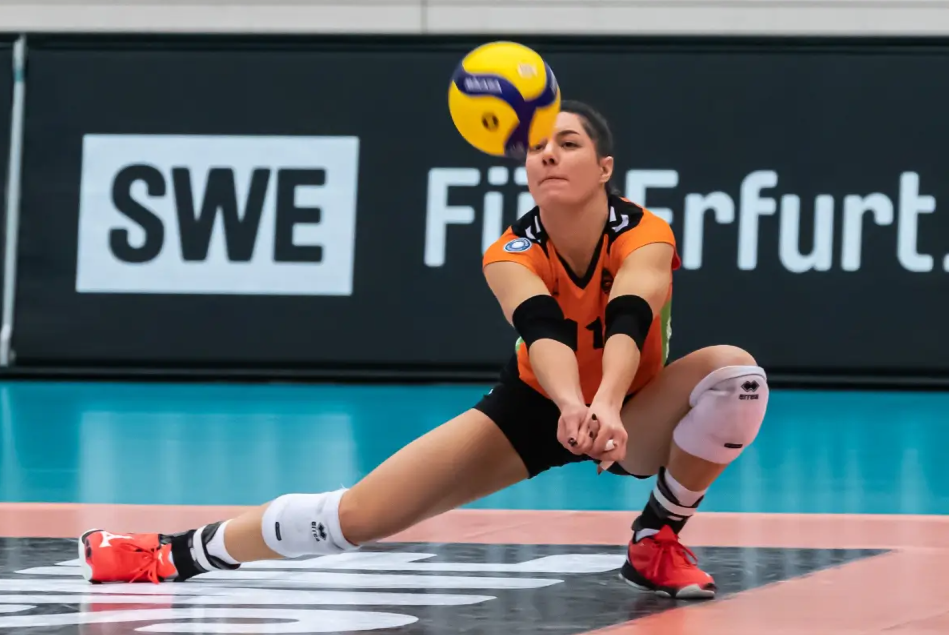
Volleyball rewards specialization more completely than almost any other team sport. The specific physical demands and technical requirements of different court positions vary so dramatically that a player perfectly suited to one role would be genuinely disadvantaged attempting another — height determining blocking effectiveness, arm speed determining attacking power, and the specific defensive reflexes that floor coverage demands creating athletic profiles that don’t transfer across positional boundaries as fluidly as less specialized team sports allow.
dbbet online follows volleyball with genuine analytical investment — recognizing that understanding volleyball positions, the specific libero volleyball role, and how volleyball positions on court create team tactical frameworks provides essential context for appreciating a sport whose strategic sophistication casual observation consistently underestimates.
Volleyball’s Basic Structure
Before examining individual positions, understanding volleyball’s fundamental competitive structure reveals why positional specialization developed so completely. Six players occupy each side of the net simultaneously — rotating clockwise after winning service from the opposing team, meaning every player must theoretically occupy every court position across a complete match.
This rotation requirement creates the fundamental tension that positional specialization resolves — players must rotate through positions regardless of where their specific skills are most effectively deployed. The sport’s rules create one specific exception to this rotation requirement, and that exception — the libero — reveals how completely volleyball’s governing bodies recognized that certain positional demands were incompatible with general rotation requirements.
Understanding rotation mechanics explains why teams develop specific serving receive formations, why tactical substitution patterns matter enormously, and why the specific arrangement of different skill profiles across six positions creates more competitive complexity than the simple court size and player count suggest.
The Setter: Orchestrating Everything 🎯
The setter occupies volleyball’s most tactically demanding position — a player whose primary responsibility involves receiving second contacts and delivering precise sets to attacking teammates in positions that maximize their individual attacking advantages against specific defensive configurations.
Every offensive sequence runs through the setter — making positional decisions under pressure, disguising attacking directions from blocking opponents, and maintaining consistent delivery quality across five-set matches whose physical demands compound across extended competitive durations. The setter’s decision-making speed determines whether attackers receive optimal sets that allow full arm-swing extension or compromised deliveries that reduce attack quality and increase defensive reading opportunities.
Elite setters develop such complete teammate knowledge that their delivery choices anticipate attackers’ preferences rather than simply responding to defensive situations — a proactive rather than reactive orchestration that genuinely great setters achieve through years of specific partner development.
Outside Hitters: The Primary Weapons 💪
Outside hitters — also called wing spikers — occupy the left-front and left-back positions in standard rotations, functioning as primary attacking options whose combination of serving receive responsibility and attacking frequency makes them volleyball’s most physically complete position requirement.
The outside hitter’s dual responsibility — passing accurately from serving receive positions before transitioning to attack — creates athletic demands that pure specialist positions don’t face simultaneously. A poor pass from serve receive immediately reduces attacking options by limiting setter choices, meaning outside hitters’ defensive quality directly constrains offensive effectiveness in ways that less dual-responsibility positions don’t create.
Height combined with explosive jumping ability and arm speed creates the physical profile that outside hitters require — though the position’s serving receive demands mean that purely tall attackers without adequate defensive floor skills find sustained high-level competition genuinely difficult regardless of attacking quality.
Opposite Hitters: Power from the Right
The opposite hitter — positioned opposite the setter in rotation — functions as a primary attacking weapon whose specific court position creates right-side attacking angles that outside hitters’ positioning doesn’t generate. This positional differentiation creates the multi-directional attacking threats that sophisticated defensive systems must address simultaneously rather than concentrating defensive resources against predictable single-side attacks.
Opposite hitters typically carry less serving receive responsibility than outside hitters — their rotation positioning frequently placing them in back-row positions during serve receive rotations where other specialists handle passing responsibilities. This reduced defensive responsibility allows physical profile optimization toward pure attacking effectiveness — the position producing volleyball’s most powerful attackers whose arm speed and jumping ability create shots that defensive systems find genuinely difficult to handle regardless of reading accuracy.
Middle Blockers: The Defensive Wall 🏐
Middle blockers occupy the center positions at the net — their primary functions involving quick attacking through middle zones and providing the blocking presence that defensive systems anchor around. The position’s physical requirements differ from peripheral positions — height and wingspan determining blocking effectiveness more completely than the lateral movement and floor coverage demands that outside positions require.
Quick middle attacks — delivered on tight, fast sets that reach the hitter while blockers are still transitioning — create timing problems that peripheral attacks moving along the net don’t generate with equivalent frequency. When executed effectively, middle attacks force defensive systems into impossible simultaneous commitments — defending middle attacks while maintaining blocking resources against outside threats that the setter might redirect when middle blocking resources commit.
Middle blockers’ back-row rotations — when positioning requires them to occupy defensive floor positions — create the substitution opportunities that coaches use to maintain defensive quality through libero replacements whose specific defensive skills exceed most middle blockers’ floor coverage capabilities.
Libero Volleyball: The Specialist Exception 🔵
The libero volleyball position represents volleyball’s most distinctive positional innovation — a defensive specialist wearing a contrasting jersey color who operates under different substitution rules than all other positions, able to replace any back-row player without using standard substitution allotments and without the replaced player counting against substitution limits.
Created by FIVB in 1998 and gradually adopted across international and club competition, the libero rule recognized that the specific defensive skills required for elite floor coverage — passing accuracy, defensive reading, diving technique, and floor movement efficiency — developed most completely in players whose physical profiles didn’t suit front-row attacking and blocking responsibilities.
The libero cannot attack the ball above net height, cannot serve in international competition under most rule sets, and cannot set the ball from front-zone positions when a teammate attacks from that delivery. These restrictions reflect the position’s purely defensive function — creating a specialist role whose competitive contribution is entirely about maintaining defensive quality rather than providing offensive options.
What Makes an Elite Libero
Elite libero volleyball requires a specific athletic and psychological profile that differs meaningfully from other volleyball positions. Explosive lateral movement — covering court width to reach balls that trajectory analysis suggests are unhittable — requires fast-twitch muscle activation and coordination that diving technique training develops but natural athletic quickness significantly accelerates.
Passing accuracy under physical stress — maintaining controlled arm platform positioning while diving, rolling, or lunging to reach difficult balls — represents the technical quality that separates genuinely elite liberos from merely competent defensive specialists. A libero who reaches difficult balls but delivers inaccurate passes to setters has completed only half the required technical execution — the defensive reach creating setting opportunities that inaccurate delivery immediately wastes.
Reading attacking patterns — anticipating where attacks will land before the attacker contacts the ball — allows elite liberos to position optimally before defensive action becomes necessary, converting difficult defensive situations into controlled passes that setters can work with comfortably.
Rotation Strategy and Formation Design 🧠
Volleyball positions on court aren’t simply assigned and maintained — they’re arranged specifically to optimize competitive advantages through rotation sequencing that positions specific players in specific court locations during the competitive moments where their skills create most value.
Coaches design rotations so that primary attacking options occupy front-row positions during their team’s strongest serving and attacking sequences — maximizing offensive potential during rotations where opponent serving pressure is most manageable. Rotation sequencing simultaneously attempts to minimize mismatches — preventing situations where defensive specialists face attacking responsibilities or where primary attackers occupy serving receive positions where their passing limitations could undermine offensive sequences before they begin.
The six rotational positions that each player cycles through create twenty-four possible formation starting arrangements — coaches selecting the specific starting rotation that best positions their strongest competitive attributes against the specific tactical tendencies that opponent analysis reveals.
Serving Strategies and Positional Targeting
Volleyball’s serving tactics connect directly to positional analysis — experienced servers targeting specific receivers whose passing quality analysis suggests represents the weakest link in opponents’ serving receive formations. This targeting function means that liberos and primary passers face disproportionate serving pressure — opponents concentrating serving difficulty against the players whose passing breakdowns create most damage to opponent offensive systems.
Float serves — delivered without spin, creating unpredictable lateral movement through air resistance variation — create passing challenges that topspin jump serves don’t generate with equivalent consistency. Jump serves — contacted above net height with topspin creating sharp downward trajectory — generate pace that reaction time limitations make genuinely difficult to handle regardless of technical passing quality.
Strategic serving sequences — alternating pace, spin, and targeting systematically rather than predictably — prevent receiving teams from establishing comfortable passing rhythms that familiar serving patterns allow experienced passers to manage through anticipatory positioning.
Team Chemistry and Positional Integration
Volleyball positions on court function most effectively when individual excellence integrates into collective chemistry — setters and hitters developing the specific communication and timing that allows attacking execution under defensive pressure. This chemistry develops through practice repetition that creates intuitive understanding between specific setter-hitter partnerships whose coordination under pressure eventually transcends conscious tactical execution.
The libero’s integration into team defensive culture — communicating coverage assignments, organizing floor positioning, and maintaining the positive energy that difficult defensive moments require — contributes to collective effectiveness in ways that purely individual defensive statistics don’t capture. Elite liberos function simultaneously as individual defensive specialists and as defensive coordinators whose court presence influences how surrounding teammates position and communicate.
Building genuine team chemistry across six specialized positions whose individual excellence must coordinate under competitive pressure represents volleyball’s most demanding coaching challenge — and the teams who achieve it most completely demonstrate the sport’s extraordinary depth as genuine athletic and tactical competition.
