


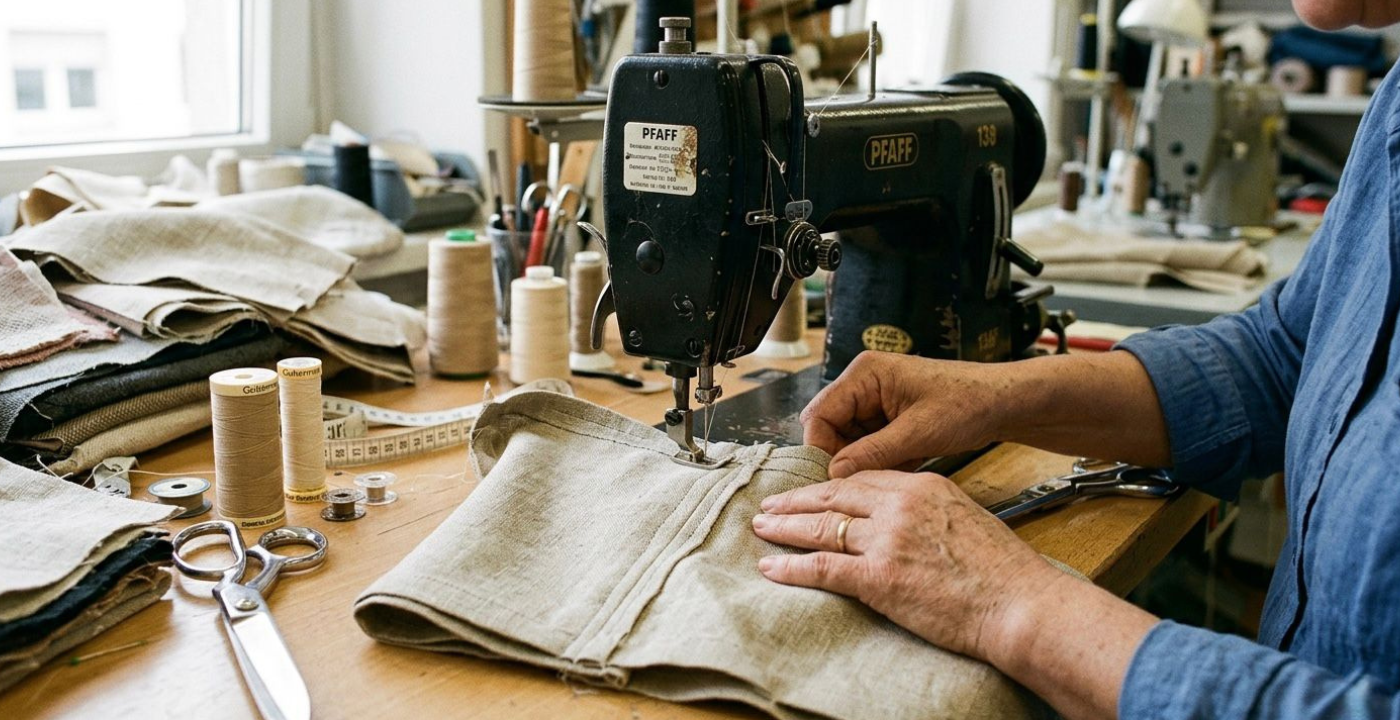
Ever wonder what gives your favorite outfit the zip, zipper and zip? It’s not about the thread, it’s about the kind of seam that is used to make each fabric. Seams are a big part of the silhouette, fit and longevity of any garment, whether it’s a casual t-shirt or a tailored jacket.
Whether you’re working on your home sewing projects or venturing into fashion design, knowing about Nahttypen can be a significant asset. We will explain all you need to know about types of seams with simple and easy to follow steps.
What Are Nahttypen?
Nahttypen is of German origin. The word “Naht” is seam, and “Typen” is type. The two combined, “types of seams. It sounds technical, but it’s quite simple. Lines in which fabric pieces are joined together by stitching are called seams.
Seam is the backbone of a garment. They create structure, offer strength and even contribute to comfort. A seam is the one part of a garment that may make it fall apart, appear unrefined, or feel unpleasantly draw tight. That is why it is important for any professional tailor or fashion designer to pay special attention to the type of seam they select to use.
Why Nahttypen Matter in Fashion Design
Not all seams are built the same. Some are intended for strength, some flexibility and some are just for looks. The wrong seam can cause the failure of a garment, either because it tears with pressure or it appears on the outside of the garment to be untidy.
The right seam enhances the look and durability of garments. It decides if a piece of clothes can withstand multiple washings, daily flexion and regular wear. Seams also add to the style in fashion design. A decorative seam can be used to accentuate the shape of a garment and to create a special look. In other words, seam selection is more than just a technical choice; it is a creative one as well.
Basic Types of Nahttypen
Plain Seam
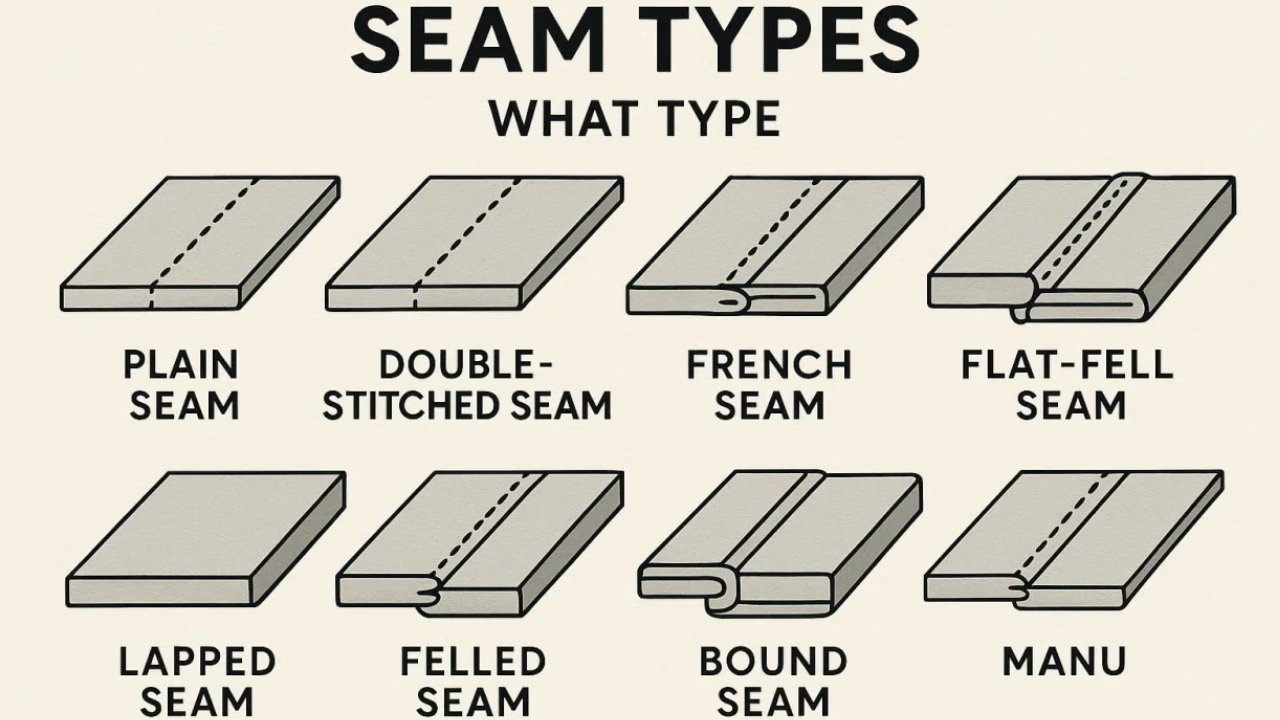
The most popular and easy-to-make seam is the plain seam. The pair of cloths are seamed up along the edge and stitched. Works well on lightweight and medium weight fabrics. The raw edges must be finished, however, commonly by zigzag stitching, to stop them from fraying over time.
French Seam
The French seam is recognized as a neat and graceful seam. It completely covers the raw edges with a polished appearance on both sides of the fabric. This is great for light fabrics like silk, chiffon or light cotton. It is a little more work and produces a professional look.
Flat-Felled Seam
When you’ve ever examined a pair of jeans, you’ve already seen a flat-felled seam. It is one of the most durable seams in the market. The raw edges are neatly folded and turned down all the way, resulting in a flat, long-lasting finish. This is ideal use for bulky materials and textiles that are subjected to significant wear and stress.
Advanced Seam Types
Bound Seam
The Bound seam is a seam made with a strip of fabric or binding to cover the raw edges. This is not only a protection but also a decoration. It is often manufactured in expensive jackets and unlined coats, where the inside of the jacket shows and should also be as appealing as the outside.
Lapped Seam
Lapped seam is one seam where two pieces of fabric are lapped over each other and stitched across. It is very strong, easy to see and is used in leather items and heavy-duty garments. This seam not only enhances the durability of the garment, but also contributes to its design aesthetic.
Decorative Seam Types
Topstitched Seam
Topstitching is a stitching done on the right side of the garment. It strengthens the seam and at the same time provides a nice touch. This is frequently used on jeans, jackets, bags and more.
Welt Seam
The welt seam is a raised, structured seam that is formed by pushing a piece of fabric into the middle of two pieces. It is widely used in upholstery, tailored coats and formal outerwear.
Final Word
Seams are much more significant than they seem. Whether you’re crafting a basic garment or creating a sophisticated design, a fundamental knowledge of Nahttypen allows you to make informed decisions. The right seam can make a garment stronger, more comfortable and more attractive. If you begin with the basics and practice regularly, you’ll find that the key to a difference in any garment you make is using the right seam.
FAQs
1. What is the English translation of Nahttypen?
The English translation is ‘types of seams’, which is derived from German words ‘Naht’ (seam) and ‘Typen’ (types).
2. Which is the strongest and the most durable seam type?
The flat-felled seam is considered to be the strongest. That is why it’s used in denim and heavy duty clothing.
3. Which is the most suitable seam for soft or light weight textiles?
The French seam is the best for a lightweight fabric. It completely surrounds the raw edges of the fabric, both protecting it and providing a neat finish.
4. Are there easy ways for a beginner to learn how to make other seams?
Absolutely, first, it is best to start in the plain seam. Once you have gained confidence, you can start to try some of the more complicated stitches such as French seams or flat seams.
5. Is decorative seam functional or decorative?
Both, topstitching and similar decorative seams not only add to the structure of a garment, but also lend interest to the eye. They can be used for two purposes in their quality clothes.
Read more: Techy Hit Tools Review: What Works, What Doesn’t and Better Alternatives
