


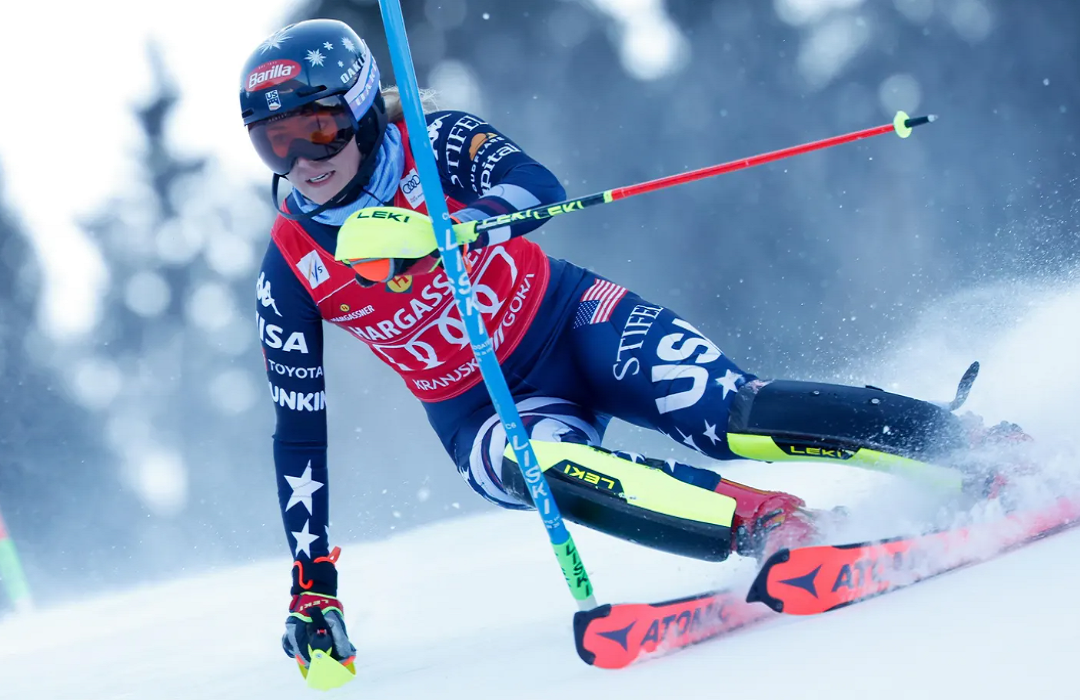
Winter Olympics come around every four years and reset the conversation about which snow sports capture the world’s attention most completely. The Milano Cortina 2026 Games have a specific competitive landscape — athletes at peak preparation, rivalries built across World Cup seasons, and the specific pressure of performing on the biggest stage in sport on slopes that will be among the most technically demanding in Olympic history. Alpine skiing has been the Winter Olympics’ signature discipline since the Games began including snow sports, and 2026 gives it a stage that the sport’s history and the host venues’ prestige fully justify. Fans looking to follow Olympic winter sports with dedicated markets can find comprehensive coverage at dbbet maroc.
The Milano Cortina 2026 Games: A Historic Setting
Alpine skiing Milano Cortina 2026 takes place across venues whose connection to competitive skiing runs deeper than any modern purpose-built facility can claim. Cortina d’Ampezzo hosted the Winter Olympics in 1956 — making 2026 a return to slopes that have already witnessed Olympic history — and has been a fixture on the alpine skiing World Cup calendar for decades. The Dolomites that frame Cortina provide the kind of dramatic mountain backdrop that transforms ski racing into visual spectacle for audiences watching from anywhere in the world. The decision to split the Games between Milan as the urban hub and Cortina as the mountain venue reflects a hosting model that uses existing infrastructure and genuine sporting heritage rather than constructing venues whose post-Olympic use is uncertain. For alpine skiing specifically, Cortina represents the highest prestige venue available in European skiing.
Alpine Skiing: The Olympic Disciplines Explained
Alpine skiing at the Olympics encompasses five disciplines that test different combinations of speed, technical precision, and tactical judgment. Downhill — the fastest and most dangerous — sends athletes down courses exceeding three kilometers at speeds that regularly exceed 130 kilometers per hour, with the outcome determined by the single run that rewards commitment and nerve alongside technical skiing ability. Super-G combines downhill speed with slalom-like gates that demand quicker direction changes. Giant Slalom requires precise arc carving through wider gates across two runs whose combined time determines the result. Slalom — the most technically demanding discipline — involves rapid direction changes through tightly spaced gates that punish the slightest timing error or edge angle miscalculation. The Combined and Alpine Team Event round out the program with formats that produce their own specific dramatic moments. Each discipline rewards different athlete profiles, which is why overall World Cup champions who can compete across multiple disciplines carry particular competitive prestige.
The Athletes Who Will Define Milano Cortina’s Alpine Events
The competitive field arriving at Cortina for 2026 winter olympics alpine skiing has been shaped by a World Cup cycle that produced its own narratives of dominance, injury comeback, and emerging talent. The men’s speed events — downhill and Super-G — have been contested by a generation of athletes from Austria, Switzerland, Norway, and France whose technical quality and physical preparation reflect alpine skiing’s most sophisticated development systems. The women’s overall World Cup battle has produced competitive intensity across multiple disciplines that the Olympic format will concentrate into the specific pressure of single-race results on the world’s biggest stage. The athletes who have demonstrated the ability to peak for major championships — those whose best performances arrive at World Championships and Olympics rather than dispersing evenly across the World Cup calendar — carry a specific competitive advantage that preparation and mental management create rather than pure technical ability.
Switzerland and Austria: The Alpine Skiing Powerhouses
No two nations have dominated alpine skiing’s competitive history more consistently than Switzerland and Austria — countries whose relationship with mountain sport runs through culture, economy, and national identity in ways that produce skiers with the specific motivation and environmental access that elite development requires. Austrian skiing’s production of champions across multiple generations reflects a federation structure, coach development system, and competition pathway that has been refined across decades of competitive investment. Swiss skiing has answered with its own generation of technically outstanding racers whose World Cup results have consistently challenged Austrian dominance. The rivalry between these two nations — expressed through World Cup points battles, World Championship medals, and Olympic results — provides alpine skiing’s most sustained bilateral competitive narrative and gives every Austria versus Switzerland head-to-head matchup a weight that the points at stake alone do not fully explain.
Speed vs Technical Events: Different Drama, Same Stakes
Alpine skiing’s Olympic program divides naturally into the speed events — downhill and Super-G — and the technical events — slalom and giant slalom — that produce different competitive experiences for athletes and audiences. Speed events compress months of preparation into a single run where the margin for error is genuinely life-threatening — athletes who over-commit to an aggressive line can crash at speeds that test the limits of protective equipment. The drama of downhill particularly — the extended starting gate wait, the lone athlete against the clock, the single chance — creates tension that no team sport format replicates. Technical events provide the pleasure of watching precision under pressure across two runs where the ability to adjust between attempts — reading the course deterioration and competitor times — adds strategic intelligence to pure physical execution. Specialists in each discipline rarely compete successfully across both categories, which is why those who can — the all-rounders capable of Super-G speed and slalom precision — carry particularly high Olympic medal probability across multiple events.
The Cortina Downhill Course: What Makes It Special
The Olympia delle Tofane course in Cortina — the historic venue for women’s speed events — carries a competitive character that World Cup regulars describe in terms that combine technical respect with genuine physical caution. The course’s combination of steep pitches, high-speed traverses, and sections where visibility through turns is limited by the terrain creates an environment where course knowledge accumulated through training runs carries competitive advantage that pure physical preparation cannot fully substitute. Male athletes competing on Cortina’s traditionally used downhill courses face similar challenges — terrain that rewards experience alongside athleticism. Olympic downhill results at historic venues like Cortina tend to reflect athletes who can synthesize technical excellence with the specific mental composure that racing where mistakes have serious consequences demands — a combination that separates the greatest downhill performers from those whose World Cup results have not been replicated under Olympic pressure.
The Role of Equipment in Alpine Skiing Performance
Alpine skiing’s equipment regulations have been progressively modified to address safety concerns generated by the extreme speeds that equipment development enabled — ski lengths, turning radius specifications, and boot construction requirements have all been adjusted across recent World Cup seasons in ways that affect competitive outcomes by favoring certain technical styles over others. Longer, straighter skis favor the smooth arcing turns that speed-focused skiers prefer; shorter, more shaped skis enable the aggressive direction changes that technical specialists exploit. Equipment manufacturers — Head, Rossignol, Atomic, Fischer, and Salomon among the major competitors — invest in development programs whose competitive intelligence reflects the same engineering ambition that Formula One applies to its machinery. The relationship between athlete and equipment in alpine skiing is sufficiently intimate that changes in ski geometry or boot stiffness require months of adaptation — understanding which athletes have managed equipment transitions most successfully informs how their Olympic preparation is progressing.
Television, Streaming, and the Global Alpine Skiing Audience
Alpine skiing’s broadcast appeal rests on visual elements that the sport possesses in unusual abundance — stunning mountain scenery, readily understandable competition format with a single decisive number, and the visible physical drama of athletes navigating terrain at speeds that generate genuine viewer anxiety about safety alongside admiration for technical excellence. European television audiences for major alpine events — World Cup finals, World Championships, and particularly Olympics — represent some of winter sport’s largest viewing figures, with Swiss, Austrian, French, Italian, and Norwegian broadcasters treating major races as national television events. The challenge for growing beyond these traditional markets is communicating the sport’s drama to audiences without the mountain culture connection that makes European viewership so naturally engaged. The Milano Cortina Olympics — with Italian hosting providing domestic broadcast motivation and the Games’ global platform amplifying reach — represents the sport’s best quadrennial opportunity to introduce alpine skiing to audiences whose relationship with snow sports has been primarily recreational rather than competitive.
What a Home Olimpics Means for Italian Alpine Skiing
Italy hosting the 2026 Winter Olympics creates specific pressure and specific opportunity for Italian alpine skiing — a program that has produced World Cup and Olympic champions across multiple disciplines but that has operated in the shadow of Swiss and Austrian dominance for extended periods. Competing at Cortina — where Italian skiing culture is embedded in the local community, where the tifosi who follow alpine skiing with the passion that Italian sport audiences bring to their favorites will be present in the grandstands — gives Italian athletes a home advantage whose psychological dimension amplifies whatever technical preparation the team has undertaken. The specific circumstances of a home Olympics — the national expectation, the media attention, the awareness that the world is watching in a country that is hosting — have produced both extraordinary home performances and unexpected collapses in Olympic history. Italian alpine skiing’s response to the 2026 pressure will be one of the Games’ most closely watched national storylines regardless of where the medals ultimately land.
