


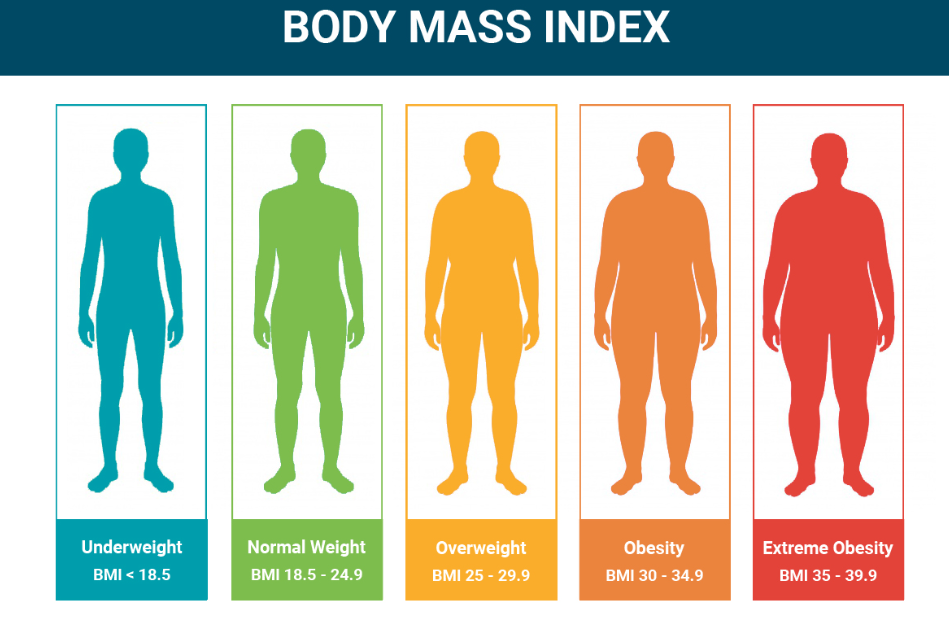
Body mass index gets mentioned constantly in health conversations, but most people only encounter it once, briefly, during a routine checkup, without ever understanding what the number actually means for their long-term health planning or their insurance costs.
Running the numbers through a BMI Calculator takes under a minute, but the result influences far more than a general sense of fitness. It plays into how insurers assess risk, what premium gets quoted, and in some cases, whether certain add-on covers are even offered at standard rates.
Why Insurers Care About This Number
A BMI outside the standard range is statistically linked to a higher likelihood of conditions like diabetes, hypertension, and cardiovascular disease. Insurers use this data at the underwriting stage to assess risk, and in some cases, an unusually high or low BMI can lead to a loaded premium or additional medical tests before a policy is approved.
This does not mean coverage becomes unavailable, but it does mean the numbers are worth knowing before applying, rather than being surprised by a higher quote or an unexpected request for additional health screening during the application process.
The Limits of BMI as a Health Measure
BMI is a useful starting point, but it is a fairly blunt measurement. It does not distinguish between muscle mass and fat, does not account for where fat is distributed on the body, and can produce misleading results for athletes, older adults, and people with naturally different body compositions.
Because of this, most doctors treat BMI as one data point among several, alongside waist circumference, blood pressure, and blood sugar levels, rather than as a standalone diagnosis. It is a useful screening tool, not a complete health verdict.
Why 10 Lakh Has Become the Realistic Starting Point
A decade ago, a sum insured of three to five lakh rupees was considered reasonably comprehensive for an individual. Medical inflation has changed that math considerably. A single planned surgery in a metro city hospital can now comfortably exceed five lakh rupees before factoring in any complications, which is why 10 lakh health insurance has increasingly become the realistic starting point rather than an upgrade option.
For families in cities with higher treatment costs, or for anyone with a family history that increases the likelihood of needing specialised treatment, ten lakh often still represents a conservative baseline rather than generous over-insurance.
How Lifestyle Factors Feed Into the Same Decision
BMI, diet, activity levels, and smoking or alcohol habits all feed into the same underwriting picture that insurers use to price a policy. Improving these factors before applying, where possible, can meaningfully affect the premium quoted, since insurers reward lower measurable risk with better pricing.
Even for those who cannot significantly change their BMI in the short term, being upfront about health details during the application avoids future complications at claim time, since underreporting a known condition or metric can affect how smoothly a claim is processed later.
Putting the Numbers to Practical Use
The most useful approach combines both pieces of information: know your BMI and general health metrics before applying, and choose a sum insured that reflects real treatment costs in your city rather than outdated assumptions about what coverage should cost. Together, these two numbers do far more to determine actual policy value than the premium figure alone.
How Often BMI Should Actually Be Checked
A single BMI reading is a snapshot, not a trend. Checking it periodically, particularly after major lifestyle changes such as a new job, a change in activity levels, or a significant diet shift, gives a far more useful picture than a one-time calculation that then gets forgotten for years.
For anyone actively working to shift their BMI into a healthier range, tracking it every few months alongside other metrics like waist circumference offers a more complete view of progress than relying on the scale alone.
What Happens When BMI Falls Outside the Standard Range
A BMI reading outside the typical range does not automatically mean an application will be declined. In most cases, it simply triggers a more detailed underwriting review, sometimes including additional tests such as blood sugar or blood pressure checks, before a final premium is confirmed.
Being prepared for this possibility, rather than being caught off guard by a request for additional screening, makes the entire application process smoother and reduces the chances of unnecessary delays in getting a policy approved.
Comparing Ten Lakh Against Actual City Costs
The right way to judge whether ten lakh is sufficient is to look at actual treatment costs in the city where care would most likely be sought. A cardiac procedure or a multi-day ICU stay in a major metro hospital can approach or exceed this figure on its own, which is why treating ten lakh as a comfortable ceiling rather than a bare minimum is a more realistic way to plan.
For households in tier-two or tier-three cities where treatment costs tend to run lower, ten lakh may offer more genuine buffer, but even then, a serious diagnosis requiring treatment at a specialised metro hospital can quickly close that gap.
The Bottom Line
A BMI calculation takes a minute, but understanding what it signals for long-term health and insurance pricing pays off well beyond that minute. Pairing that awareness with a sum insured that reflects today’s treatment costs, rather than a decade-old benchmark, is one of the simplest ways to avoid being underinsured when it matters most.
