


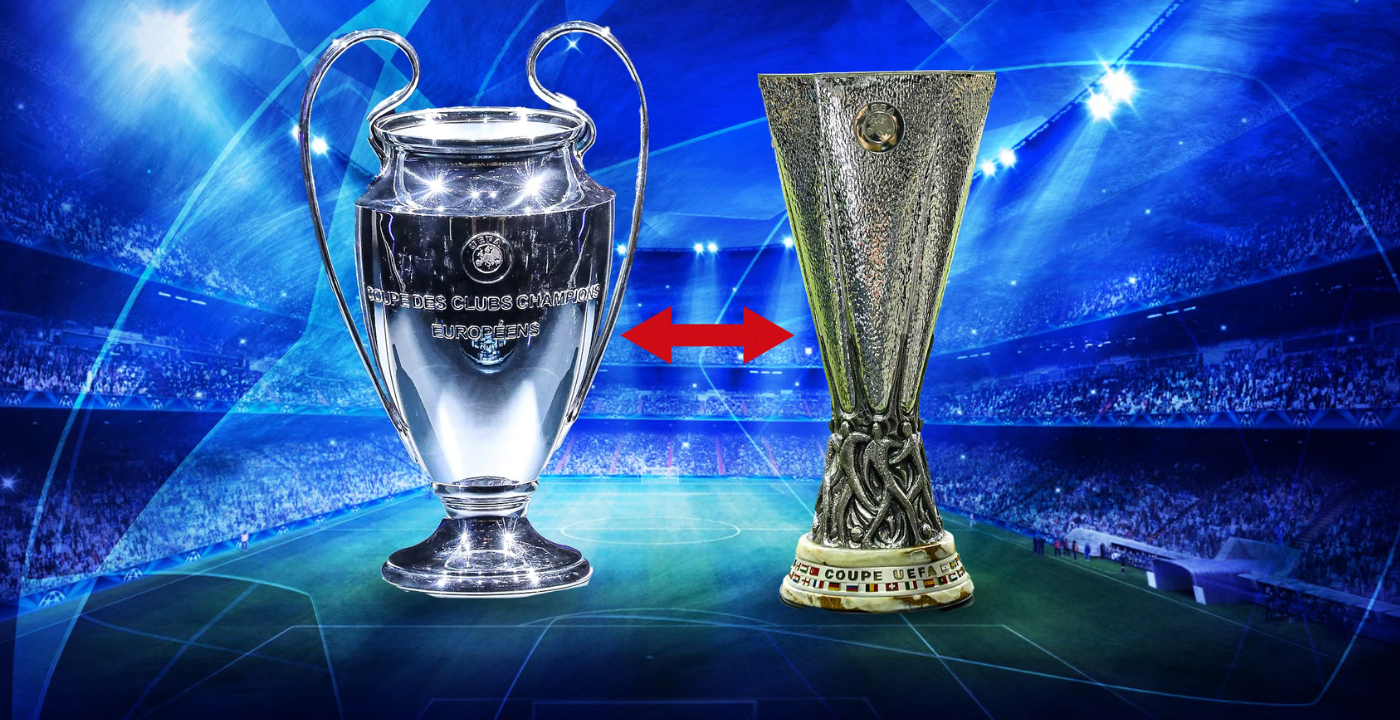
European football’s calendar creates a specific competitive complexity that no other sporting ecosystem matches — clubs simultaneously competing across domestic leagues, continental competitions, and domestic cup tournaments whose fixture demands accumulate into schedules whose management requires roster depth, tactical rotation intelligence, and the specific physical conditioning that sustaining performance across multiple fronts simultaneously demands. English clubs navigate this complexity most visibly — the Premier League’s global commercial profile making its participants’ European adventures simultaneously the world’s most followed domestic-continental competitive combination.
db bet follows European football’s complete competitive calendar with genuine analytical investment — recognizing that understanding the premier league schedule alongside UEFA Champions League and europa league participation provides essential context for appreciating how English football’s elite clubs manage the specific demands that competing across multiple simultaneous competitions creates across complete seasons.
How the Premier League Schedule Works
The premier league schedule operates across 38 matchdays — each of the 20 clubs playing every other club twice, once at home and once away, across a season running from August through May. This scheduling framework creates the specific fixture congestion that European participation amplifies into genuine roster management challenges whose navigation separates genuinely deep squads from those whose quality drops off after first-choice lineups are established.
Weekend fixtures typically dominate the premier league schedule — Saturday and Sunday matches providing the broadcast slots that Sky Sports, TNT Sports, and international broadcast partners have contractually secured. Midweek matchdays accommodate the European fixtures whose scheduling requirements force domestic competition onto midweek slots — creating the specific back-to-back scheduling that recovery science and squad rotation become critical management tools for navigating without performance degradation.
The Premier League’s refusal to implement a winter break of meaningful duration — unlike most major European leagues — creates the specific December and January fixture accumulation that managers consistently identify as the most physically demanding period, particularly when European knockout rounds overlap with domestic cup competitions during the same calendar months.
Champions League Participants: The English Contingent 🏆
The Premier League’s financial dominance within European football has consistently delivered multiple Champions League participants — typically four clubs qualifying through league position, with the top four Premier League finishers earning automatic group stage or league phase entry into European football’s premier competition.
Manchester City’s sustained Champions League presence under Pep Guardiola has represented English football’s most consistent European elite participation — a club whose specific financial resources and coaching sophistication create genuine continental championship contention rather than simply participating in a competition whose ultimate prize remains perpetually out of reach. Their 2023 Champions League victory demonstrated that English dominance of European football extended beyond financial power into genuine tactical and collective excellence.
Arsenal’s Champions League return — following seasons where their absence from the competition created the specific recruitment disadvantages that continental participation provides through player attraction and financial prize distribution — has reinvigorated a squad whose domestic improvement under Mikel Arteta has been among the Premier League’s most sustained recent competitive stories.
Manchester City: The European Blueprint 🌟
Manchester City’s approach to managing premier league schedule demands alongside Champions League participation represents the most sophisticated rotation strategy in English football — Guardiola’s willingness to make significant lineup changes for perceived lesser domestic fixtures preserving specific players’ physical freshness for European knockouts whose cumulative demands make fresh legs genuinely decisive.
Their squad depth — financial investment across multiple positions creating genuine quality rather than simple numerical cover — allows rotation whose standard doesn’t drop significantly when first-choice selections are rested. This depth distinguishes City from Premier League competitors whose rotation requires accepting meaningful quality reductions that European opponents identify and exploit when less-established lineups appear in continental competition.
The specific challenge of simultaneously pursuing Premier League titles and Champions League success across 50-plus competitive fixtures creates the scheduling complexity that City’s medical, analytical, and coaching staff address through sophisticated load management whose details inform decisions that casual observers interpret as tactical choices without understanding their physical foundation.
Arsenal’s European Ambitions 🔴
Arsenal’s Champions League journey under Arteta represents one of English football’s most genuinely compelling ongoing narratives — a club rediscovering continental elite status through domestic competitive improvement that qualification provides while simultaneously developing the specific European experience that knockout competition demands in ways that domestic football doesn’t equivalently build.
The specific tactical adjustments that European competition requires — facing opponents whose styles, pressing intensities, and technical qualities differ from Premier League opponents’ collective profile — creates developmental opportunities whose value compounds across multiple European campaigns rather than delivering immediate returns within a club’s first Champions League season after extended absence.
Their fixture schedule — balancing Premier League title contention with European knockout progression — creates the specific resource allocation decisions about lineup management and recovery prioritization that Arteta’s staff navigates across weeks where multiple high-stakes fixtures create competing preparation demands that available recovery time cannot adequately address simultaneously.
The Europa League: Different Competition, Same Demands ⚽
The UEFA Europa League occupies a specific position within European football’s competitive hierarchy — prestigious enough that dedicated qualification pursuit and genuine trophy ambition are justified, while commercially and reputationally below the Champions League tier that Premier League clubs prefer to occupy through domestic performance.
Thursday matchdays — the Europa League’s traditional scheduling slot — create the specific Friday recovery followed by Sunday Premier League fixture pattern that managers consistently identify as physically problematic. The specific two-day recovery window between Thursday European fixtures and Sunday domestic matches creates fatigue accumulation whose competitive consequences manifest in performance drops that analytics confirm across multiple seasons of Premier League-Europa League fixture combination data.
English clubs’ historically mixed Europa League records reflect this scheduling reality alongside the specific competitive culture around the competition — some clubs treating it as genuine priority while others’ squad rotation signals that domestic Premier League performance maintains primacy regardless of where European competition stands within the official competitive calendar.
Liverpool’s Multi-Front Campaign
Liverpool’s approach to competing across the premier league schedule alongside European commitments reflects Jürgen Klopp’s legacy philosophy — high-intensity football demanding complete physical commitment from participants whose fitness management across congested schedules required genuine scientific sophistication rather than traditional squad rotation instinct.
The high-press system whose implementation made Liverpool domestically and continually dominant creates specific physical demands that fixture congestion amplifies into genuine injury risk — the metabolic demands of sustained pressing requiring recovery windows that midweek European fixtures frequently don’t provide adequately when weekend domestic matches bookend continental appearances.
Arne Slot’s continuation of Liverpool’s competitive ambitions — maintaining Champions League participation while pursuing domestic title contention — requires the specific squad management sophistication that Klopp developed through years of competitive experience whose institutional learning his successor inherits rather than rediscovering independently.
Chelsea and Tottenham: The Chasing Pack
Chelsea’s Champions League ambitions — backed by extraordinary ownership investment across multiple transfer windows — reflect the specific tension between financial resource availability and the specific competitive cohesion that roster stability across fewer transactions might develop more effectively than high-volume recruitment whose integration demands create collective learning requirements.
Their European participation creates the specific opportunity for trophy accumulation that domestic competition’s single available trophy doesn’t provide — European success historically generating the confidence, experience, and recruitment attraction that compounds into sustained competitive improvement when organizations develop the specific cultures that translate resource investment into competitive achievement.
Tottenham’s Europa League participation — occupying the specific competitive tier below Champions League — reflects domestic performance limitations that European consolation prize status communicates honestly about where the club sits within English football’s current competitive hierarchy while still providing continental experience whose development value genuine football institutions should recognize rather than dismissing as inadequate compensation for Champions League exclusion.
Fixture Congestion: The Physical Reality 💪
The specific physical demands that combined premier league schedule and European competition creates have generated ongoing governance discussions about player welfare — fixture congestion whose cumulative effects manifest in injury rates, performance decline across seasons, and the specific burnout risk that elite footballers whose club and international demands accumulate across complete calendar years face.
Premier League managers have consistently lobbied for fixture reduction — arguments that the specific combination of 38-game domestic seasons, European competition, domestic cups, and international breaks creates schedules whose physical sustainability is genuinely questionable regardless of the specific medical support that elite clubs provide. These arguments have generated sympathy without producing structural reform — the financial interests attached to existing fixture volumes creating resistance to meaningful reduction.
Medical departments across English clubs have responded through increasingly sophisticated load monitoring — GPS tracking, heart rate variability measurement, and the specific physiological markers that indicate recovery completion determining training loads and lineup decisions that protect long-term player availability rather than maximizing short-term performance at the cost of subsequent unavailability.
Broadcast and Commercial Dimensions 📺
The premier league schedule’s construction reflects broadcast partner requirements as directly as sporting logic — specific kickoff times, fixture selections for live broadcast, and the particular scheduling patterns that maximize audience numbers across global time zones all influencing when specific matches occur rather than pure sporting scheduling convenience.
European competition adds broadcast complexity — Champions League and Europa League fixtures requiring coordination with UEFA’s centralized scheduling that Premier League domestic arrangements don’t face. The specific broadcast rights architecture differs between Premier League domestic coverage and European competition — different broadcast partners holding different rights creating viewer navigation requirements that following clubs across multiple competitions demands.
The financial returns from European participation — Champions League prize money whose scale significantly exceeds Europa League distributions — create genuine competitive incentive for Premier League clubs to prioritize Champions League qualification through domestic performance rather than treating European competition as separate from domestic ambitions whose management they’re willing to compromise for continental advancement.
The Complete European Picture
Understanding European football’s complete competitive landscape — how the premier league schedule intersects with Champions League knockout rounds and Europa League Thursday fixtures — reveals the specific complexity that elite English club management involves across complete seasons whose cumulative demands test every aspect of organizational capability simultaneously.
The clubs that navigate this complexity most successfully — managing squad fitness, maintaining competitive performance across multiple simultaneous competitions, and developing the specific European experience whose value compounds across seasons rather than delivering immediate returns — establish the institutional advantages that sustained continental competitiveness provides beyond any individual season’s trophy count.
European competition’s role within English football’s complete competitive ecosystem extends beyond the trophies whose pursuit justifies participation — creating the specific development experiences, recruitment attractions, and financial returns that make Champions League and Europa League participation genuinely important to competitive ambitions rather than simply prestigious additions to domestic competition whose management represents the primary organizational focus.
