


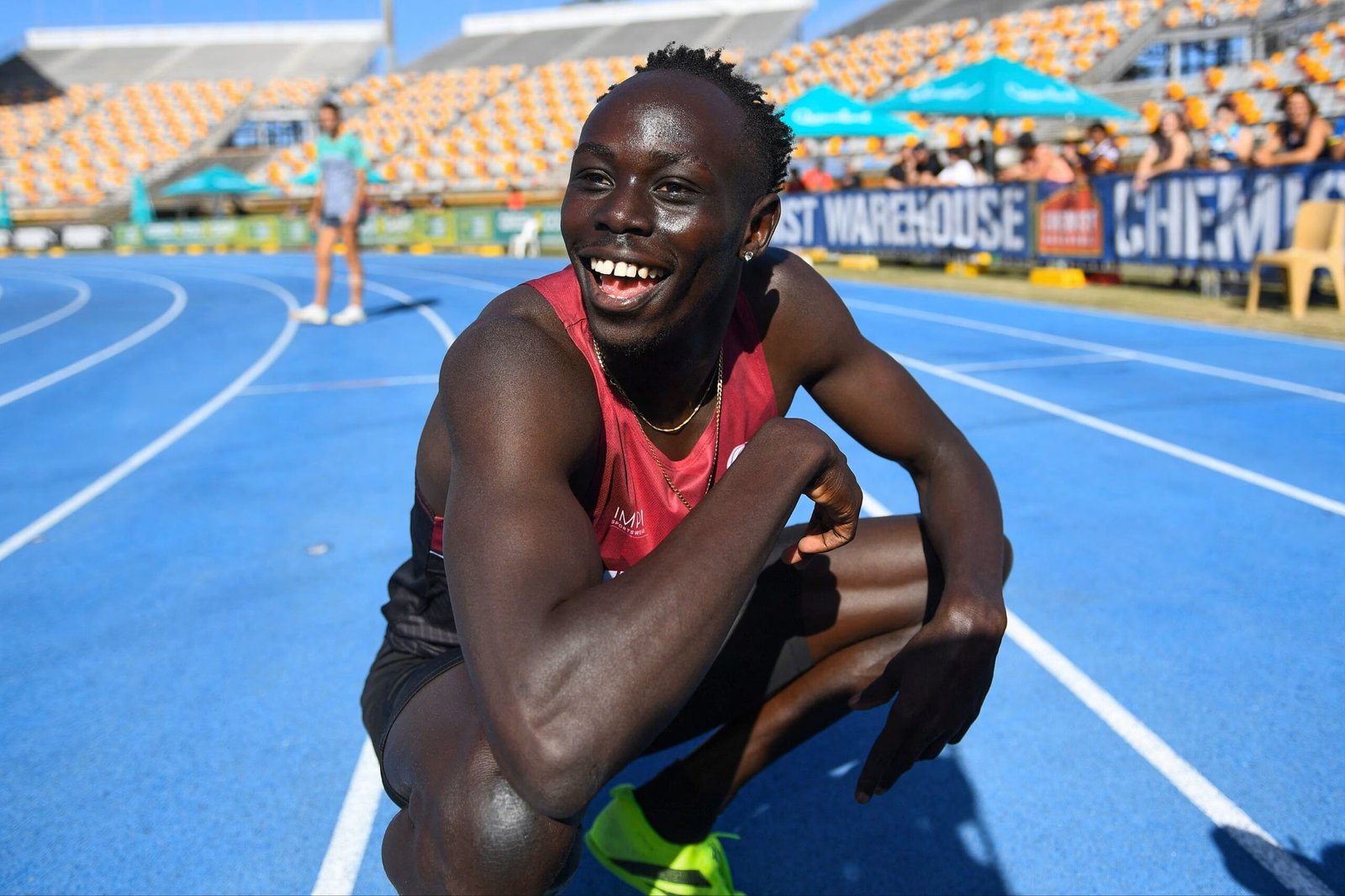
East Africa has produced the greatest distance runners in the history of athletics. Kenya and Ethiopia dominate the record books, but the broader region carries physiological and cultural characteristics that create elite endurance athletes in numbers no other part of the world can match. Somalia sits within this same geographic and genetic landscape, and its athletes are beginning to make their presence felt on international tracks and roads. Fans following Somali sport across disciplines can find dedicated coverage and markets at db bet.
Somalia Athletics: The Current State of the Sport
Somalia athletics operates through the Somali Athletics Federation, affiliated with World Athletics and the African Athletics Confederation. Like most Somali sporting institutions, the federation spent years rebuilding administrative capacity following the conflict period. National championships now run with reasonable consistency, and Somalia sends athletes to major continental and global competitions including the African Athletics Championships and the Olympic Games. Participation at this stage often reflects representation rather than medal contention, but the exposure to world-class competition environments is itself a development tool. The federation’s immediate priorities are coaching education, competition calendar consistency, and identifying the talent pipeline that will produce Somalia’s first genuinely competitive international athletics performers within the next generation.
Distance Running: Somalia’s Natural Competitive Terrain
Distance running is where Somalia’s athletic potential is most concentrated. The physiological profile that produces elite East African distance runners — lean body composition, high aerobic capacity, biomechanical efficiency developed through years of active childhood movement — exists across the Somali population in significant numbers. Athletes from the region have historically been exposed to the kind of high-altitude training environments and high-volume movement patterns that research consistently links to endurance excellence. Several Somali-born athletes competing under other national flags in European athletics circuits have demonstrated the raw quality that exists. The challenge is creating a domestic environment capable of identifying, developing, and retaining that talent under the Somali flag before it migrates permanently to better-resourced athletic programs elsewhere.
Endurance Sports Beyond the Track
Endurance sports in Somalia extend beyond competitive running. Road racing, cross-country athletics, and marathon competition all fall within the federation’s remit and represent disciplines where Somali athletes can compete internationally with relatively modest facility investment — road races require no stadium, no expensive equipment, and no complex infrastructure beyond organized competition management. The Mogadishu Marathon, which has run in various forms as security conditions have permitted, represents a symbolic and practical statement about Somalia’s capacity to host organized endurance events. Building a domestic road racing calendar that runs consistently across multiple cities would create the competition exposure that develops serious marathon runners — a discipline where East African dominance suggests Somalia has untapped potential waiting for the right development conditions.
The Diaspora and International Competition
Somalia’s athletics diaspora story mirrors its football experience in important ways. Somali-born athletes who grew up in Scandinavian countries — particularly Sweden, Norway, and Finland — have competed at high levels in European athletics circuits, and several have represented Somalia internationally after choosing to switch athletic allegiance. These athletes bring training sophistication, competitive experience at major meets, and physical conditioning standards that domestic-only development cannot currently replicate. Managing diaspora athlete relationships requires federation investment in communication, logistical support for international travel, and competitive programs that make representing Somalia feel meaningful rather than merely symbolic. The federations that handle diaspora relations well gain talent they could not otherwise access — those that handle it poorly lose it permanently to the countries where these athletes were raised.
Training Conditions and Infrastructure Challenges
Athletics requires less infrastructure than many sports but more than nothing. Somalia’s training environment for serious athletes remains underdeveloped — tracks in Mogadishu have historically been in poor condition, coaching qualified to international standards is scarce, and the sports science support that now underpins elite endurance performance globally is largely absent. Athletes who show genuine potential face a choice between developing within Somalia’s constrained system or pursuing opportunities abroad where conditions are incomparably better. Retaining talent requires the federation to improve domestic training conditions meaningfully — even modest investments in track resurfacing, basic altitude training access, and qualified coaching can shift the calculation for athletes weighing their development options. FIFA and World Athletics development funding provides partial resources, but domestic institutional commitment determines whether those resources translate into lasting infrastructure.
Role Models and the Inspiration Effect
Athletics development in any country accelerates dramatically when young athletes have visible role models who look like them and share their background. Somalia has not yet produced an Olympic distance running medallist competing under its flag, but the success of athletes of Somali heritage competing internationally creates an inspiration effect that coaches and federation officials consistently identify as motivational. When a young runner in Mogadishu can point to an athlete of shared heritage winning a major marathon or making an Olympic final, the perceived possibility of their own athletic future shifts. Building that inspiration pipeline — through media coverage, school visits by competitive athletes, and social media presence that makes Somali athletics visible to the next generation — costs relatively little compared to physical infrastructure but delivers outsized motivational returns.
Women in Somali Athletics: Progress Against Barriers
Female participation in Somali athletics faces cultural and security challenges that make progress slower than in most comparable countries. Yet progress is happening. Somali women have competed at Olympic Games under the national flag, with Zamzam Mohamed Farah’s participation attracting significant domestic attention. Diaspora Somali women competing in European athletics provide additional visibility. The World Athletics development programs specifically targeting female participation in Muslim-majority countries have created frameworks and funding that give the Somali federation practical tools to expand women’s athletics within culturally sensitive parameters. Building female participation requires community engagement and patience as much as technical programs — but the trajectory, however gradual, points in a positive direction that would have seemed unlikely a decade ago.
What a Competitive Somali Athletics Future Looks Like
The realistic pathway to competitive Somali athletics runs through three parallel tracks developed simultaneously. First, domestic competition infrastructure needs to reach a standard where talented athletes can develop meaningfully without leaving the country. Second, coaching education must produce a generation of qualified Somali coaches who understand modern endurance training methodology rather than relying on informal knowledge transfer. Third, diaspora athlete engagement needs systematic federation investment to convert Somali-heritage talent competing abroad into national team contributors. None of these tracks delivers results quickly — elite distance running development operates on decade-long timescales even under ideal conditions. But Somalia’s geographic position within East Africa’s endurance athletics heartland means the raw material is genuinely there. Building the system to find it, develop it, and compete with it is the work now underway.
