


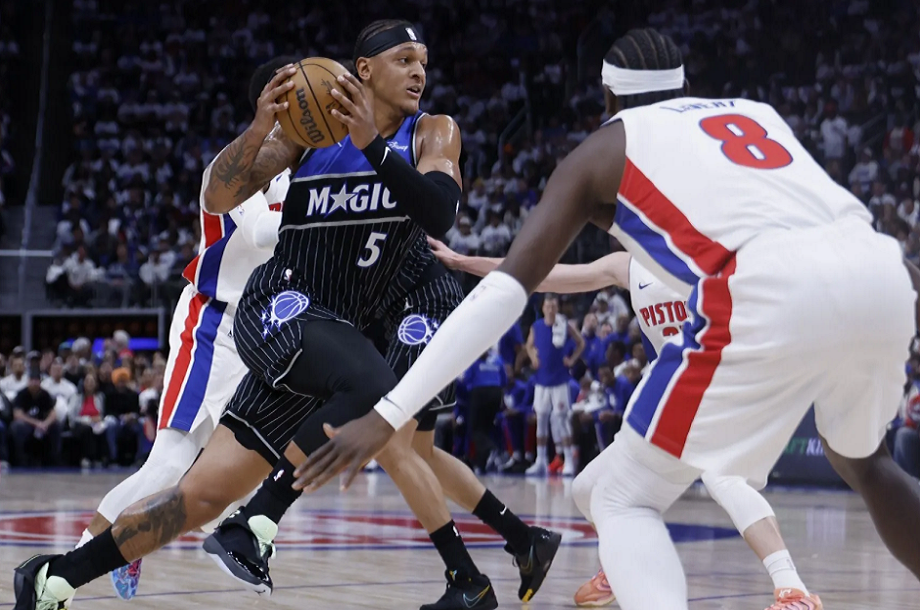
Professional basketball attracts a specific type of human specimen — athletes whose combination of height, athleticism, skill, and competitive intelligence sits so far outside normal human distribution that watching them play creates the specific cognitive dissonance of knowing intellectually that these are people while observing physical capabilities that don’t match any ordinary human experience. The NBA’s 450-player roster represents humanity’s absolute peak basketball talent — a collection of physical and athletic outliers whose specific qualities create the competitive product that billions of people across every continent follow with genuine passion.
Dbbet follows NBA basketball with genuine analytical investment — recognizing that understanding nba players across multiple dimensions, who the best nba players are currently, who the tallest nba players are physically, and the interesting cultural questions like how many nba players are jehovah witnesses provides complete context for appreciating professional basketball’s extraordinary human diversity alongside its competitive excellence.
The NBA Roster: Understanding the Player Pool
The NBA maintains 30 teams whose active rosters contain 15 players each — creating approximately 450 roster spots whose competition represents the absolute pinnacle of global basketball talent identification and development. Beyond active rosters, two-way contracts connecting G League developmental players to NBA teams and 10-day hardship contracts add roster flexibility that injury-heavy seasons frequently require.
This 450-player pool draws from genuinely global talent — international players now representing approximately 25% of NBA rosters, with players from over 40 countries competing across a given season. The specific globalization of basketball talent has transformed what NBA rosters look like — European technical development, African athleticism pipelines, and South American competitive traditions all contributing meaningfully to the league’s collective playing quality in ways that previous generations’ almost exclusively American rosters didn’t reflect.
Understanding nba players requires appreciating this global dimension — the specific development pathways through European leagues, South American competitions, and increasingly African academies that deliver international talent prepared for NBA competition alongside the American college and high school pipelines that historically dominated roster composition.
Best NBA Players: The Current Landscape 🌟
The best nba players conversation in 2026 centers on a generation whose specific skill combinations represent genuine evolutionary advancement from previous eras — players combining size, athleticism, and technical sophistication simultaneously in ways that earlier generations’ training and development systems didn’t consistently produce.
Nikola Jokić’s sustained MVP-caliber excellence has redefined what center production means — his passing vision, scoring versatility, and basketball intelligence creating offensive systems whose sophistication no other player generates from the five position. His specific combination of skills — elite passer who also averages 25-plus points while rebounding at center rates — represents a performance profile that basketball history simply hadn’t produced before his specific emergence.
Shai Gilgeous-Alexander’s ascension to genuine best-player-in-the-league conversation reflects offensive excellence whose efficiency and shot-creation quality represent the specific guard skills that analytics-informed evaluation identifies as most predictive of team offensive success. His scoring across multiple shot types — rim finishing, mid-range, three-point, and free-throw drawing — creates defensive coverage problems that no single defensive strategy resolves completely.
Giannis Antetokounmpo: Physical Dominance 💪
Giannis Antetokounmpo’s physical profile creates competitive problems that the NBA has never previously encountered — a player whose combination of size, length, and explosive athleticism at his specific skill level doesn’t appear in basketball history before his specific emergence from Greek basketball development.
His two consecutive MVP awards and 2021 championship Finals MVP represent competitive validation that silenced the specific criticisms about playoff performance that his regular season dominance generated before championship experience transformed his clutch competitive execution. The specific mental evolution — developing the composure and decision-making that his physical gifts always promised but that high-pressure playoff situations initially constrained — represents the complete player development that his career arc demonstrates most compellingly.
His Bucks offensive system’s dependence on his specific physical gifts creates interesting tactical questions about sustainability as defensive attention focuses increasingly sophisticated schemes specifically designed to neutralize his advantages — the ongoing chess match between Giannis’s development and defensive evolution representing one of the NBA’s most analytically interesting ongoing competitive narratives.
Luka Dončić and the European Revolution 🌍
Luka Dončić’s specific basketball profile — developed through Real Madrid’s European system before his NBA arrival — represents the most complete validation of European basketball development as a pathway producing genuinely elite NBA talent rather than simply competent role players whose European excellence doesn’t fully translate to NBA competition quality.
His playmaking, scoring versatility, and the specific basketball intelligence that European development emphasizes — tactical understanding, decision-making sophistication, and the complete game awareness that American development sometimes sacrifices for athletic specialization — creates an offensive profile whose production rates at his age have no historical parallel in NBA records.
His Dallas journey — producing individual excellence while championship team construction around his specific gifts has required organizational patience — represents the specific franchise-building challenge that star players in smaller markets navigate differently than stars on historically resourced franchises whose organizational infrastructure provides more complete competitive surrounding cast construction.
Tallest NBA Players: The Height Outliers 📏
The tallest nba players represent physical specimens whose height sits so far outside normal human distribution that their existence as competitive basketball players requires acknowledging that they occupy genuinely different physical territory than even the average NBA player’s already extraordinary dimensions.
Historically, players reaching 7’3″ and beyond have tested what basketball skill development can achieve in bodies whose size creates specific mobility limitations alongside the obvious positional advantages that height provides. Tacko Fall’s 7’6″ height made him one of the tallest players in NBA history — his specific combination of height and developing skills creating the novelty factor that his competitive limitations didn’t fully overcome despite genuine physical uniqueness.
Kristaps Porziņģis’s 7’3″ height combined with shooting range and mobility creates the specific modern big man profile that contemporary NBA tactical systems prize — height providing shot-blocking and interior presence while mobility and shooting skill allow participation in the floor-spacing offensive systems that small-ball defensive schemes otherwise compromise through conventional center deployment.
Height Distribution Across Positions
Understanding tallest nba players requires contextualizing individual height within the position-specific height distributions that NBA competition has standardized across different roster requirements. Centers typically range from 6’10” through 7’1″ — taller players existing but representing the upper tail of even this already extraordinary distribution.
The average NBA player height — approximately 6’6″ — sits roughly ten inches above the average American male height, representing a distribution shift so dramatic that the statistical probability of a randomly selected American male reaching NBA average height is genuinely negligible. Every NBA player represents a height outlier relative to general population distributions, making the tallest nba players outliers among outliers — a genuinely rare subset of already extraordinarily rare physical specimens.
Power forwards typically range from 6’8″ through 6’11” — the positional range whose combination of size and mobility requirements creates the specific physical profiles that combine athletic versatility with dimensional competitive advantages. Small forwards and guards at 6’7″ and 6’4″ respectively represent the perimeter positions whose height requirements balance dimensional advantages against the mobility demands that outside game execution requires.
How Many NBA Players Are Jehovah’s Witnesses?
The question of how many nba players are jehovah witnesses generates genuine interest — and the honest answer involves more documented historical examples than current confirmed practitioners, with the religion’s practice varying in visibility across players who maintain personal faith privately rather than publicly identifying their religious affiliation through media engagement.
The most famous historical example is A.C. Green — the Los Angeles Lakers power forward whose Jehovah’s Witness faith shaped personal choices throughout his career in documented and publicly acknowledged ways. His specific religious practice and the particular lifestyle commitments it involved were documented extensively during his playing career.
Current NBA rosters contain players across extraordinarily diverse religious backgrounds — Christianity in multiple denominations, Islam, Judaism, and various other traditions all represented among active players whose personal faith practices vary from publicly expressed to entirely private. Specific current numbers are impossible to confirm reliably — religious affiliation being personal information that players aren’t required to disclose and that the NBA doesn’t systematically track or publish.
Cultural and Religious Diversity Among NBA Players
The broader question of religious and cultural diversity among nba players reveals a player community whose backgrounds span genuinely global religious and cultural traditions — reflecting the international roster composition that contemporary NBA teams maintain alongside the diverse American communities whose basketball development pipelines feed the domestic player pool.
Muslim players — represented across both American-born and international players — have maintained increasing visibility through Ramadan observance discussions, prayer practice observations, and the specific accommodation conversations that teams navigate during fasting periods that coincide with competitive seasons. This visibility reflects both growing Muslim representation among players and increasing media sophistication about religious diversity’s competitive implications.
Christian expression ranges from evangelical public testimony through quiet private faith — players whose religious identity shapes personal conduct without necessarily generating public commentary existing alongside players whose faith expression through post-game acknowledgments and social media has become genuinely culturally prominent in ways that previous generations’ more private faith expression didn’t generate equivalently.
Player Development: The Modern NBA Athlete
Contemporary nba players represent the products of development systems whose sophistication has transformed what skills are achievable within specific physical profiles — training technology, sports science integration, and the specific analytical understanding of skill development creating players whose complete basketball capability exceeds what equivalent physical specimens from previous generations demonstrated.
Three-point shooting development among big men — historically rare among players above 6’10” — now represents a standard expectation for modern centers and power forwards whose inability to shoot from distance creates defensive coverage problems that contemporary offensive systems exploit mercilessly. This specific skill development reflects deliberate investment in extending big men’s offensive range through training methodologies that previous generations’ development systems didn’t prioritize or understand how to implement effectively.
Defensive versatility — the ability to guard multiple positions rather than single-position specialists — has become similarly standard as positionless basketball creates defensive switching requirements that rigid positional defenders can’t meet without creating exploitable mismatches. Players who develop genuine multi-positional defensive capability command roster value premiums that specialized defenders whose limitations create switching vulnerabilities don’t generate regardless of their single-position defensive excellence.
The G League and Development Pipeline
Understanding nba players comprehensively requires engaging with the G League — the NBA’s official developmental league whose function has evolved significantly from simple roster overflow management into genuine player development infrastructure whose alumni increasingly contribute meaningfully to NBA competitive rosters.
The G League Ignite program — signing elite high school prospects directly rather than requiring college or international pathways before NBA draft eligibility — represents the most structurally significant recent development pipeline innovation, creating a professional development alternative for players whose talent level warrants earlier professional basketball exposure than college competition provides.
International player development academies — the NBA’s African academy producing players whose continental talent pipeline had previously been accessed only inconsistently — represent the specific geographic expansion that makes the player pool genuinely global rather than concentrated within traditionally strong basketball development regions whose historical advantages reflected infrastructure investment rather than exclusive talent concentration.
What Makes NBA Players Special
The specific qualities that separate nba players from all other basketball players — regardless of how competitive those other players are within their own competitive contexts — reflect the compound rarity of finding multiple elite athletic attributes within single individuals whose specific combinations create the competitive profiles that NBA talent evaluation targets.
Foot speed at 6’7″ that allows perimeter defense against quicker guards while maintaining defensive credibility against slower post players. Shooting accuracy at 6’10” that extends offensive range while preserving the interior presence that height provides. Passing vision at any size that processes multiple simultaneous options faster than defensive schemes can adjust — these compound rarities create the specific player profiles that NBA rosters compete intensely to acquire because their combination within single individuals appears so infrequently in the global population that finding them requires genuinely comprehensive talent identification systems operating across every basketball-playing geography simultaneously.
