


English football’s domestic cup competitions carry a specific romance that league titles cannot replicate — the possibility of upsets, the neutral venue finals whose atmosphere differs from partisan home and away environments, and the specific prestige of the oldest domestic football competition on the planet. The FA Cup’s history with both chelsea fc and Manchester City has produced defining moments for each club whose collective accumulation across several decades of meetings creates something approaching a genuine rivalry rather than simply a recurring fixture between successful clubs. Fans following FA Cup and Premier League action with dedicated markets can find comprehensive coverage at db bet.
Chelsea FC: The Roman Abramovich Era and Its Legacy
Chelsea’s transformation from a historically inconsistent club whose trophy cabinet reflected occasional success rather than sustained dominance into genuine serial winners began with Roman Abramovich’s 2003 acquisition — an ownership change whose immediate financial injection reshaped what English football’s competitive hierarchy was capable of producing outside Manchester United’s established dominance.
The specific competitive achievements across the Abramovich era — five Premier League titles, two Champions League trophies, five FA Cups, and the various League Cup and European Conference League additions — created a trophy accumulation whose scale placed Chelsea among English football’s elite in ways that their pre-Abramovich history would not have predicted. José Mourinho’s two separate Chelsea tenures delivered the organizational identity — the defensive solidity, the collective discipline, and the specific winning culture — that championship organizations require beyond individual quality accumulation.
The Todd Boehly era — following Abramovich’s forced departure amid the Russian invasion of Ukraine’s sanctions consequences — has produced a different organizational character. The extraordinary transfer spending across multiple windows, the managerial turnover that has characterized the transition period, and the specific challenge of building coherent team identity from a squad assembled across multiple coaching philosophies have created a Chelsea navigating the specific complexity that ownership transitions in financially powerful clubs generate when organizational clarity cannot immediately follow financial commitment.
Manchester City vs Chelsea: The Cup Competition History
Manchester city vs chelsea encounters in cup competitions have produced specific moments that both fanbases reference in conversations about their clubs’ defining competitive memories — matches whose stakes, atmosphere, and outcomes created the narrative weight that cup football generates more reliably than league fixtures whose standings implications rarely concentrate dramatic significance into single ninety-minute periods.
The FA Cup final history between these clubs — meetings at Wembley across different eras that have delivered both Chelsea victories that confirmed their competitive quality at specific moments in club development and City victories that reflected their sustained excellence under Guardiola’s organizational framework — creates the specific competitive context that each subsequent meeting between these clubs carries as inherited narrative.
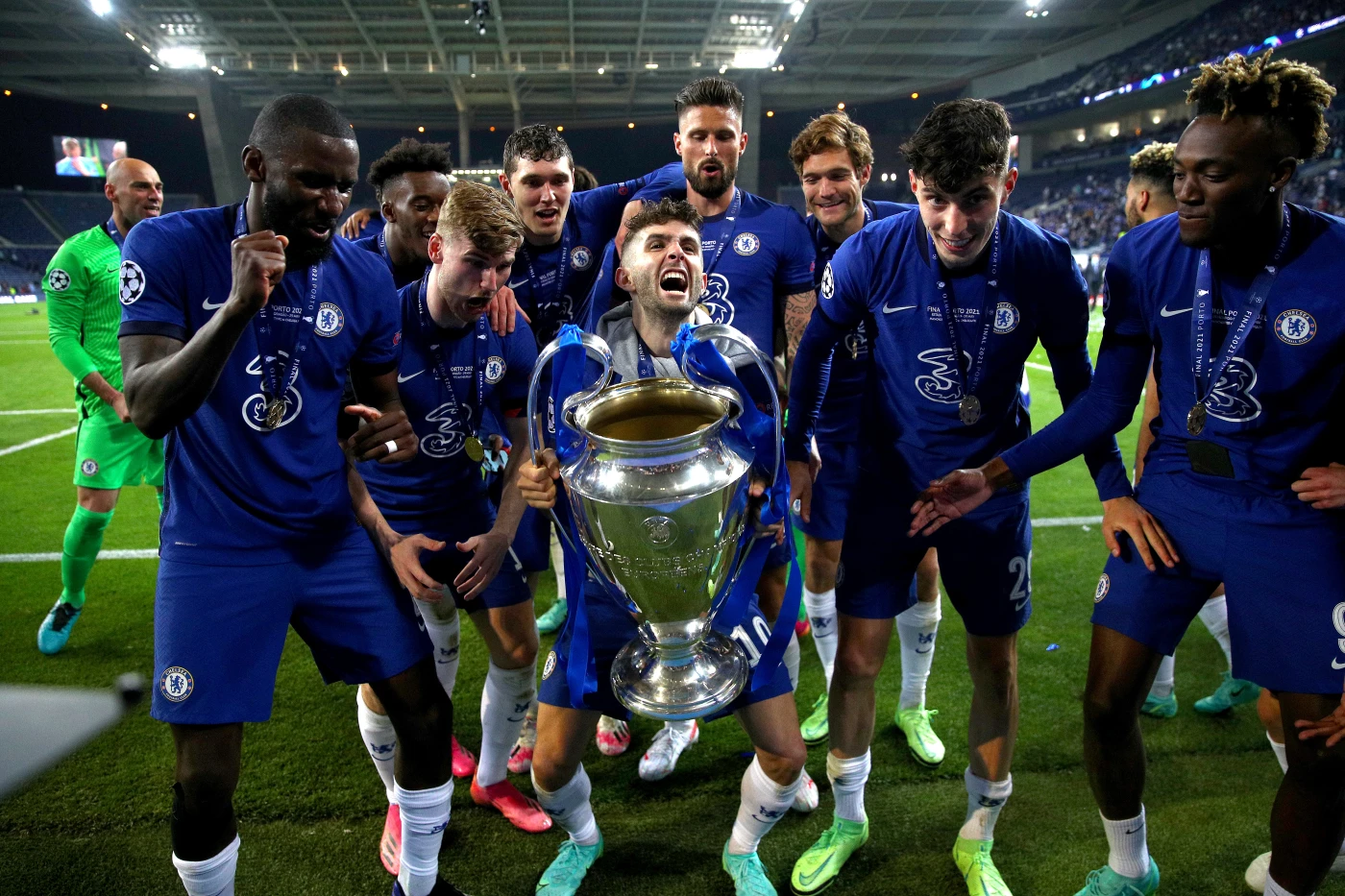
The Champions League final in Porto in 2021 — Chelsea’s victory over City in a match whose tactical narrative centered on Thomas Tuchel’s specific defensive approach to neutralizing Guardiola’s positional football — represents the most significant single competitive encounter between these clubs in recent history. Chelsea’s specific tactical solution — denying City the central midfield space that their system exploits through the positioning of Ilkay Gündogan and Kevin De Bruyne — delivered the kind of tactical chess match victory whose analytical discussion continued across months of football conversation.
FA Cup Final: The Competition’s Specific Character
The fa cup final occupies a unique position within English football’s competitive calendar — Wembley Stadium providing the specific backdrop whose symbolic significance transforms the occasion beyond what the competition’s domestic trophy status alone would justify. The combination of tradition — the FA Cup’s history dating to 1871 makes it the world’s oldest domestic football competition — and the specific drama that cup football generates through its single-leg knockout format creates the emotional architecture that final appearances carry for clubs and supporters whose investment in the competition reflects genuine understanding of its place within English football’s identity.
Both Chelsea and Manchester City have experienced FA Cup finals across the period that defines their contemporary rivalry — outcomes that reflect different organizational moments within each club’s development trajectory rather than a consistent competitive hierarchy that one club’s quality has established over the other.
The specific atmosphere that FA Cup finals create — the neutral Wembley crowd whose mixed composition generates different acoustic character from the partisan atmospheres that home and away fixtures produce, the pre-match ceremony whose pageantry connects the occasion to English football’s historical traditions, and the specific pressure of performing in front of the nation’s most watched domestic football occasion — tests competitive character in ways that league football’s accumulated marathon format does not concentrate into single events.
The Tactical Dimension: Guardiola vs Chelsea’s Defensive Approaches
The specific tactical encounters between Manchester City under Guardiola and Chelsea’s various managers across the competitive relationship illuminate the broader tactical conversation that positional football’s dominance has created within English football’s coaching discourse.
Guardiola’s system — the high defensive line, the positional occupation that denies opponents space in central areas, and the specific pressing triggers whose coordination requires collective understanding that years of shared training produces — creates specific tactical challenges whose solutions different Chelsea managers have approached with varying success across multiple competitive meetings.
Tuchel’s Porto solution — the specific back three structure that denied City’s halfspace exploitation while maintaining defensive compactness without the high block that Guardiola’s mobility would have penetrated — represented the most complete single-match tactical counter to City’s system that any Premier League or European opponent has produced across the Guardiola era. Whether subsequent Chelsea managers have maintained the tactical sophistication required to replicate that solution or developed alternative approaches that create comparable competitive problems for City reflects both coaching quality and squad profile evolution.
Chelsea’s Rebuild: What the Current Project Requires
Chelsea’s organizational challenge across the Todd Boehly ownership period reflects the specific complexity of building winning football from a clean sheet organizational perspective — the inherited playing staff’s quality insufficient for the new owner’s ambitions creating the extraordinary transfer spending whose accumulated investment has not yet produced the competitive coherence that championship organizations express.
The specific players whose accumulation across multiple windows reflects different coaching philosophies creates the squad identity challenge that whoever manages Chelsea must navigate — integrating expensive acquisitions whose qualities do not always complement each other within coherent tactical structures that winning football requires as baseline. The managerial turnover that has accompanied this transition — each appointment’s departure generating both the transfer spending reorientation and the cultural disruption that frequent change compounds — creates the organizational instability that sustained competitive achievement requires resolving rather than accepting as transitional cost.
The financial investment’s scale — making Chelsea among European football’s highest-spending clubs across recent windows — creates both the asset base that properly organized coaching can eventually develop into competitive coherence and the Financial Fair Play pressure whose regulatory implications the Premier League’s rules create for clubs whose expenditure patterns approach or exceed permitted parameters.
What the Rivalry’s Future Holds
Chelsea and Manchester City’s competitive relationship across the coming seasons will be shaped by whether Chelsea’s organizational evolution delivers the coherence that their financial investment has not yet produced alongside City’s navigation of post-Guardiola transition whenever that eventually arrives.
A Chelsea that resolves its organizational identity questions — finding the coaching stability, tactical clarity, and cultural coherence that championship organizations require — would represent the most meaningful addition to Premier League competition’s upper tier since their own Roman Abramovich-funded emergence created the four-way competition that replaced Manchester United’s monopoly on English football’s summit.
FA Cup encounters between these clubs carry the specific weight that cup football’s concentrated drama creates — single matches whose outcomes determine legacies in ways that league points accumulation distributes across too many games to concentrate into moments of comparable permanence. The next FA Cup final between Chelsea and Manchester City will inherit the history that previous encounters have created and add another chapter to a competitive relationship whose continued development gives English football one of its most analytically interesting ongoing narratives.
